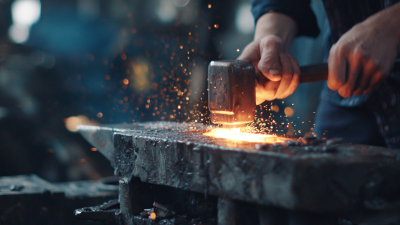
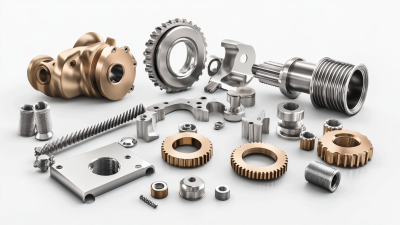
Hey, have you noticed how quickly the manufacturing world is changing? One of the biggest game-changers lately has been the rise of Cold Forged Components. Looking ahead to 2025, these parts are really making a difference in how efficiently we can produce goods. I was reading what Dr. Emily Carter, a well-known expert in materials engineering, had to say—she mentioned that "Cold Forged Components are truly revolutionizing the way we think about strength and precision in manufacturing." Honestly, that says it all. Cold forging technology is really shaking things up by giving us stronger, more accurate parts with tighter tolerances.
Here at Shaanxi Brilliant Machinery Co., Ltd., we're super confident that embracing new tech like cold forging is crucial for hitting our goal of becoming the top name in manufacturing worldwide. These components don’t just improve product quality—they also help us be more eco-friendly by reducing waste and saving energy. As demand for top-notch mechanical parts keeps climbing, adding cold forging to our process helps us keep improving and raising the bar for quality everywhere—because at the end of the day, it's all about making our customers happy and satisfied.
Advantages of Cold Forging in Reducing Material Waste
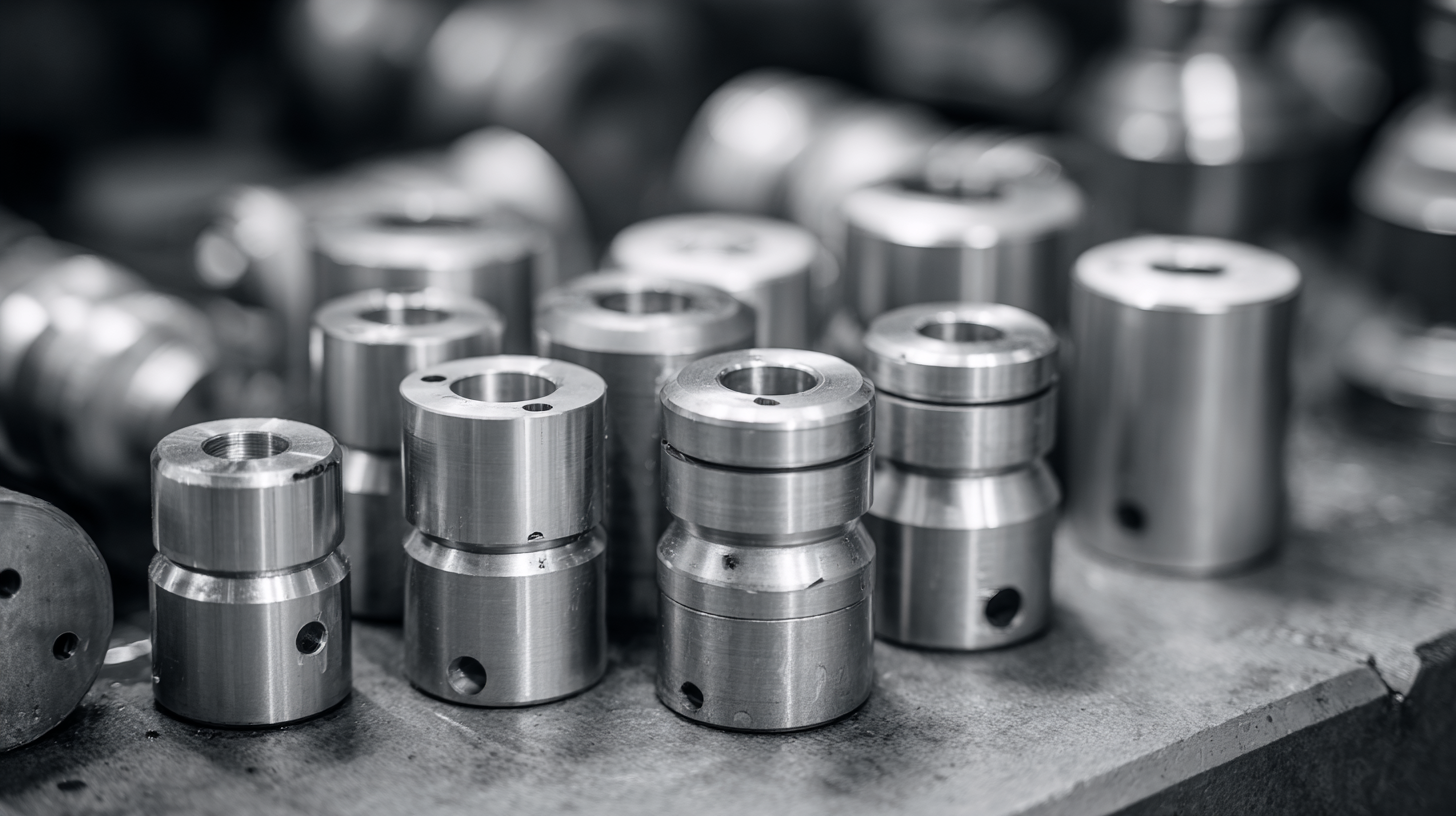
Cold forging stands out as a highly efficient manufacturing process, particularly noted for its capacity to minimize material waste. As industries increasingly strive for sustainability, the benefits of cold forged components have become more prominent. Unlike traditional machining methods that often generate significant scrap, cold forging processes deform metal at room temperature using dies, producing intricate components with minimal excess material. This precision not only leads to cost savings but also aligns with global efforts to reduce waste, thereby enhancing environmental responsibility in manufacturing.
The global market for cold forging machines is expected to witness substantial growth, driven largely by demand from automotive, construction, and heavy engineering sectors. Reports indicate that in Europe alone, over 20 million vehicles are produced annually, highlighting the enormous scope for implementing cold forging techniques to improve efficiency and reduce the ecological footprint. Additionally, advancements in cold forging technology contribute to the production of complex components with high dimensional accuracy, further minimizing the need for secondary operations that typically generate waste. By integrating cold forging into their manufacturing processes, companies can significantly optimize their resource use and advance towards a more sustainable future.
Enhanced Mechanical Properties of Cold Forged Components
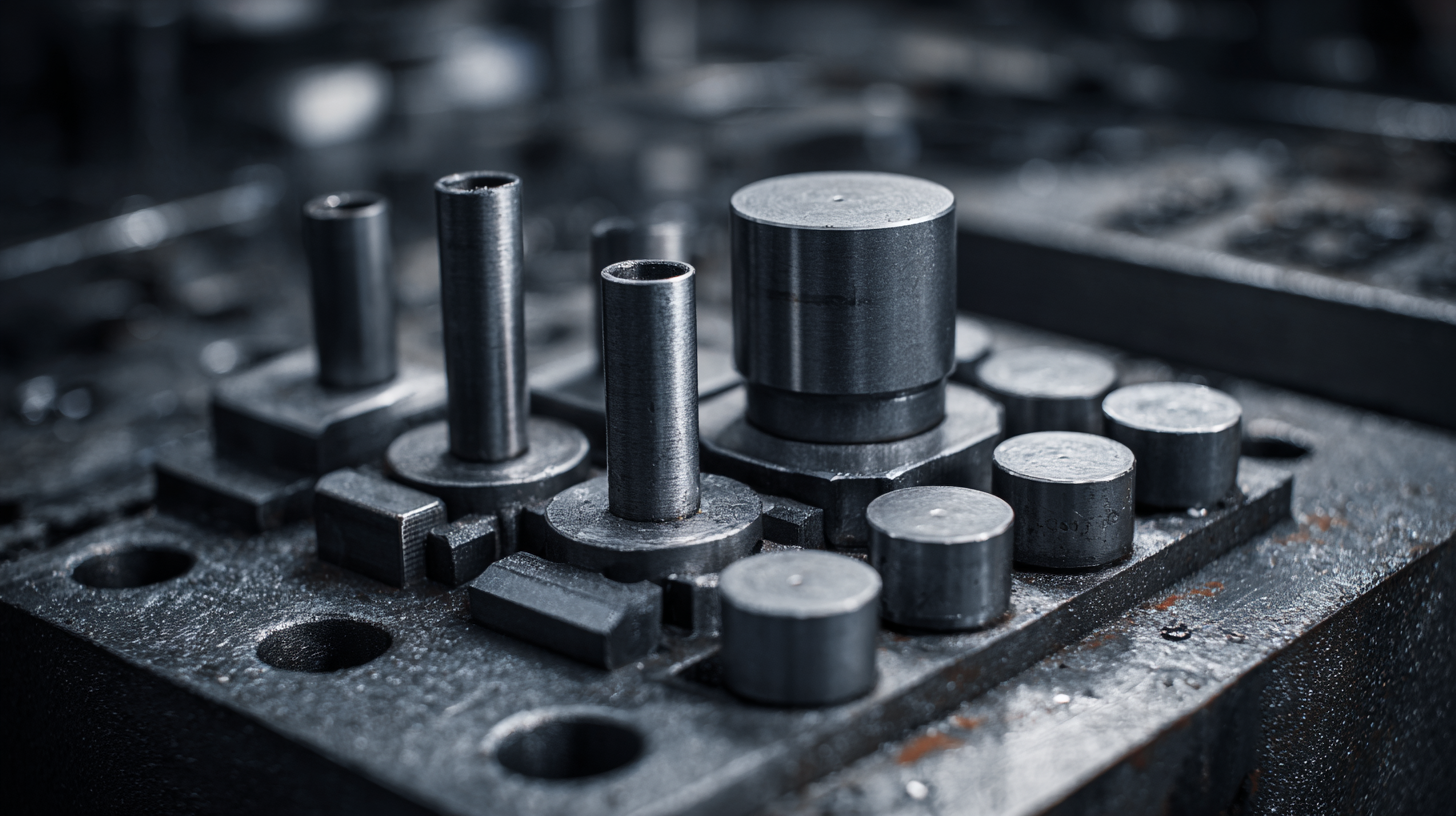
Cold forging is revolutionizing the manufacturing landscape, particularly in enhancing the mechanical properties of components. The process involves shaping metal at room temperature, resulting in refined grains and increased density, which significantly improves yield strength and toughness. These enhanced mechanical properties contribute to the production of durable, high-strength parts that can withstand demanding applications. Cold forged components also exhibit superior surface finishes, which reduce the need for additional machining and further enhance overall product performance.
At Shaanxi Brilliant Machinery Co., Ltd., we embrace the advantages of cold forged components in our commitment to manufacturing excellence. Our focus on continuous innovation allows us to integrate cutting-edge cold forging techniques, ensuring that we deliver products that not only meet but exceed customer expectations. By prioritizing sustainability and quality as part of our operational ethos, we aim to set new industry standards. This dedication to excellence is what positions us as a global benchmark in the mechanical parts industry, providing reliable solutions that contribute to improved manufacturing efficiency and customer satisfaction.
Improved Production Efficiency Through Cold Forging Techniques
Cold forging has emerged as a transformative technique in manufacturing, significantly enhancing production efficiency. By utilizing high pressure to shape metal at room temperature, cold forging minimizes material waste and allows for tighter tolerances, resulting in less post-processing work. This method not only increases the speed of production but also contributes to the longevity and durability of the components produced. As the material is work-hardened during the forging process, the final products often exhibit superior strength and performance characteristics compared to those manufactured through traditional methods.
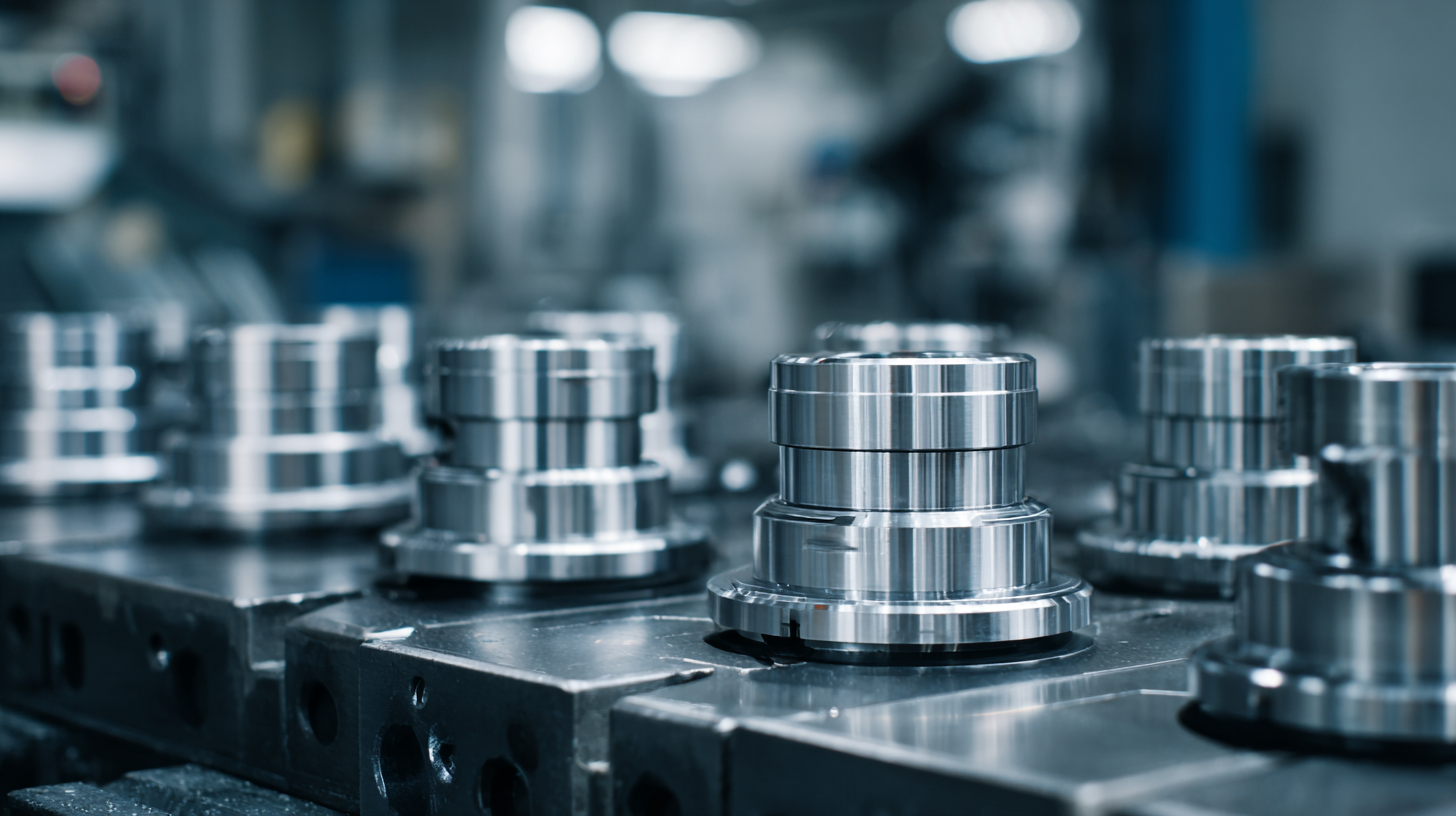
Moreover, cold forging techniques enable manufacturers to produce complex shapes and components in a single operation, which further streamlines the production line. The ability to create intricate designs with high precision reduces the need for additional machining, thus cutting down on operational costs and time. Manufacturers benefit from improved throughput rates, as the rapid and efficient nature of cold forging allows for higher quantities of components to be produced in a shorter timeframe. This not only enhances the overall productivity but also supports a more flexible manufacturing environment, ultimately driving innovation and competitiveness in the industry.
Cost-Effectiveness of Cold Forged Components in Mass Production
Cold forging is increasingly recognized for its cost-effectiveness in mass production, particularly in the manufacturing of components across various industries. According to a report by the International Journal of Manufacturing Technology and Management, cold forging can reduce production costs by up to 60% compared to traditional machining processes. This significant reduction is primarily due to lowered material waste and enhanced material yield, as cold forging utilizes a higher percentage of the raw material, minimizing scrap.
Moreover, cold forged components often require less post-processing, which further drives down costs. The same report indicates that manufacturers can achieve tighter tolerances and superior surface finishes with cold forging, reducing the need for secondary operations like machining and polishing. This efficiency not only shortens production cycles but also lowers labor costs, making cold forged components an attractive option for companies aiming to optimize their manufacturing processes while maintaining high quality. With the global market for cold forged components projected to reach $17 billion by 2025, the trend towards mass adoption is likely to accelerate, driven by both cost savings and enhanced component performance.
Top 10 Benefits of Cold Forged Components in Manufacturing Efficiency
| Benefit | Description | Impact on Cost | Impact on Efficiency |
| High Strength | Cold forging enhances the strength of components compared to traditional methods. | Reduces the need for material thickness, lowering costs. | Increases reliability and performance under load. |
| Material Efficiency | Less waste produced during the forging process. | Lower material costs and reduced scrap value. | Optimized resource utilization increases overall efficiency. |
| Dimensional Accuracy | Cold forged components show higher tolerance levels. | Less need for machining, saving on finishing costs. | Faster assembly processes due to precise fits. |
| Surface Finish | Cold forging achieves a better surface finish. | Reduced finishing requirements lead to lower costs. | Improves aesthetics and performance of the final product. |
| Production Speed | Faster manufacturing cycles compared to other forming processes. | Lower labor costs and decreased operational expenses. | Increased throughput, meeting market demands efficiently. |
| Heat Treatment | May eliminate the need for additional heat treatment. | Saves energy and processing costs associated with heat treating. | Improves production time by streamlining processes. |
| Versatility | Suitable for a wide range of materials and shapes. | Higher adaptability reduces the need for multiple processes. | Flexibility in production enhances responsiveness to change. |
| Environmental Impact | Lower energy consumption during manufacturing. | Reduces carbon footprint and waste outputs. | Supporting green manufacturing initiatives improves brand image. |
| Cost Reduction | Overall reduction in manufacturing costs. | Significant savings in material and labor costs. | Enhanced profit margins through efficient processes. |
| Quality Assurance | Higher assurance of performance and durability. | Minimizes the need for replacements and repairs. | Consistent quality increases customer satisfaction. |
Environmental Benefits of Adopting Cold Forging in Manufacturing
Cold forging is increasingly becoming a preferred manufacturing process due to its environmental benefits. By utilizing cold forging techniques, manufacturers can significantly reduce waste material compared to traditional methods. This process uses high pressure to shape metal without the need for excessive cutting or trimming, resulting in higher yield rates. As companies are pressed to adopt sustainable practices, the lower scrap rates associated with cold forging contribute to minimizing environmental impact.
Additionally, cold forging requires less energy than hot forging, as the material is not heated to high temperatures. This reduction in energy consumption lowers the carbon footprint of the manufacturing process. Furthermore, the enhanced durability and strength of cold-forged components lead to longer-lasting products, which indirectly results in decreased resource use over time. By investing in cold forging technology, manufacturers not only improve their operational efficiency but also align with global sustainability goals, fostering a more eco-friendly approach to production.
Precision and Tolerance Improvements with Cold Forged Parts
Cold forging is increasingly recognized in the manufacturing sector for its ability to enhance precision and tolerances in component production. This process utilizes compressive forces to shape metal, which results in parts that boast tighter tolerances compared to traditional machining methods. According to a report by Smithers Pira, cold forged parts can achieve tolerances as tight as ±0.01 mm, offering manufacturers the opportunity to produce components that fit perfectly within assembly specifications. This level of precision not only improves the functionality of the final products but also minimizes the need for extensive post-processing, ultimately reducing production time and costs.
At Shaanxi Brilliant Machinery Co., Ltd., we are committed to utilizing cold forging techniques to elevate our manufacturing capabilities. Our focus on quality ensures that all components meet rigorous industry standards, enhancing the efficiency of our production processes. Additionally, cold forging contributes to improved material properties, such as increased strength and durability, making it a preferred choice for high-stress applications in various industries. By integrating advanced cold forging methods into our operations, we position ourselves as leaders in manufacturing excellence, sustainability, and customer satisfaction, consistently exceeding client expectations in the competitive mechanical parts market.
FAQS
: Cold forging is a manufacturing process that deforms metal at room temperature using dies, enabling the production of intricate components with minimal excess material.
Cold forging minimizes material waste by using high pressure to shape metal without excessive cutting or trimming, leading to higher yield rates compared to traditional machining methods.
The automotive, construction, and heavy engineering sectors are the primary industries benefiting from cold forging due to its efficiency and ecological advantages.
Cold forging requires less energy than hot forging because the material is not heated to high temperatures, resulting in a lower carbon footprint for the manufacturing process.
The environmental benefits include reduced waste material, lower energy consumption, and longer-lasting products that contribute to decreased resource use over time.
Cold forging is preferred due to its ability to enhance operational efficiency, align with global sustainability goals, and support eco-friendly production practices.
Cold forging provides high dimensional accuracy, which minimizes the need for secondary operations that typically generate additional waste, thereby optimizing resource use.
The global market for cold forging machines is expected to experience substantial growth due to increasing demand from various sectors, particularly in Europe’s automotive industry.
By reducing scrap rates and energy consumption, cold forging techniques help manufacturers adopt more sustainable practices, contributing positively to environmental responsibility.
Cold forging can produce complex components with high dimensional accuracy, making it suitable for creating intricate parts widely used in several industries.
Conclusion
Cold Forged Components offer significant advantages in manufacturing efficiency that align with our commitment to excellence at Shaanxi Brilliant Machinery Co., Ltd. By reducing material waste and enhancing mechanical properties, these components not only improve the overall strength and durability of the products but also lead to improved production efficiency through innovative cold forging techniques. The cost-effectiveness of mass production of cold forged parts makes them an attractive option for manufacturers seeking to optimize their processes.
Moreover, adopting cold forging practices contributes to environmental sustainability by minimizing waste and energy consumption. The precision and tolerance improvements associated with cold forged components ensure high-quality outputs that meet rigorous industry standards. As we continue to evolve and innovate in the mechanical parts sector, the unique benefits of cold forged components play a pivotal role in our mission to set global benchmarks for quality and customer satisfaction.